Enjoy together
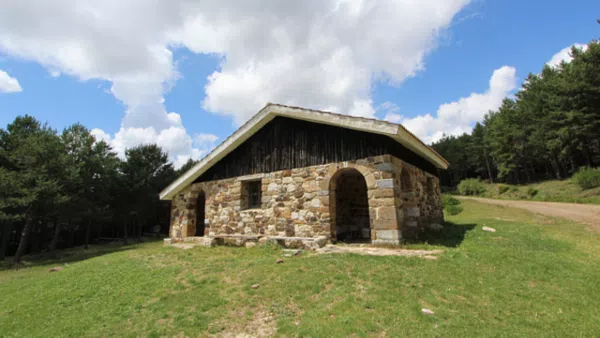
La Majada Palentina
La Majada Palentina
La Majada Palentina
Tosande Yews
Tosande Yews

Palentine Mountain

Vacation Rental Montaña Palentina

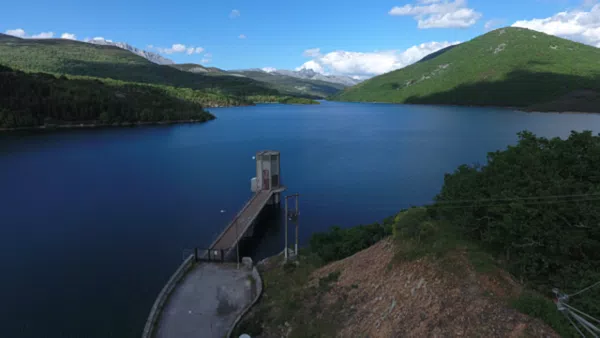
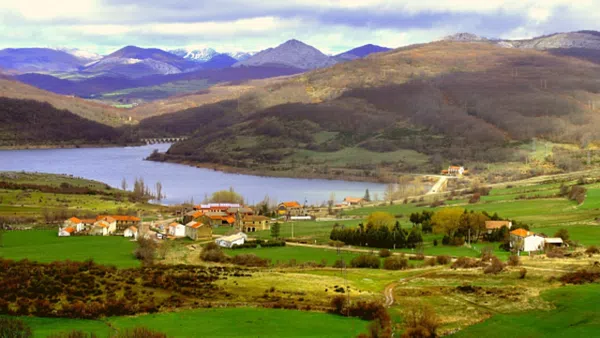
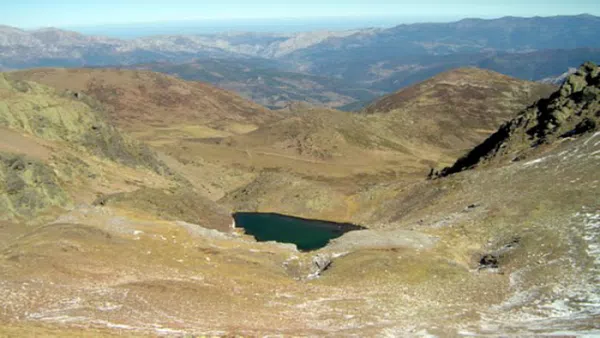
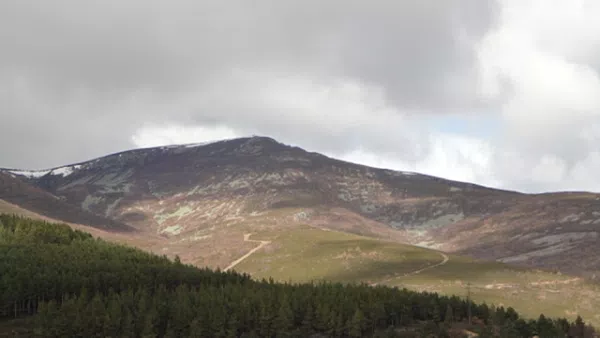
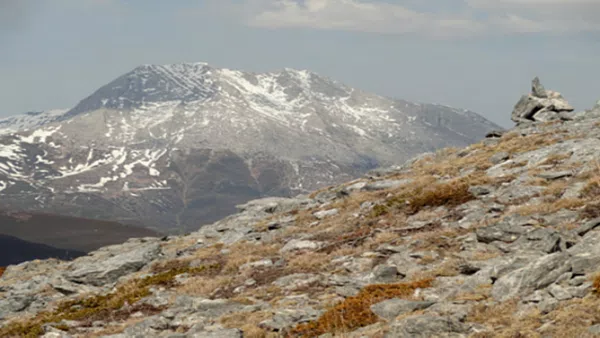
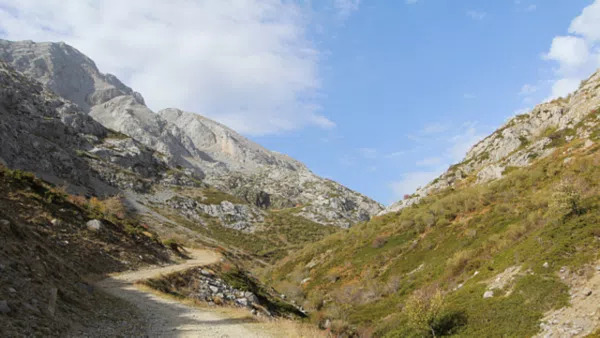
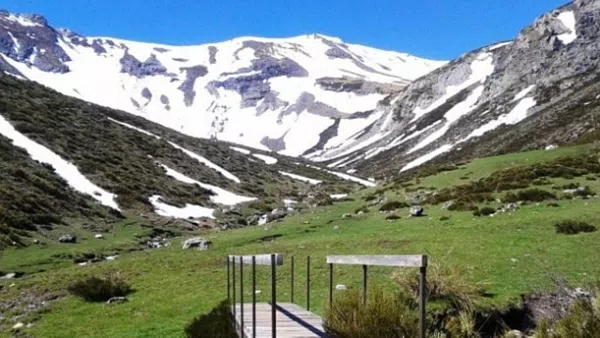
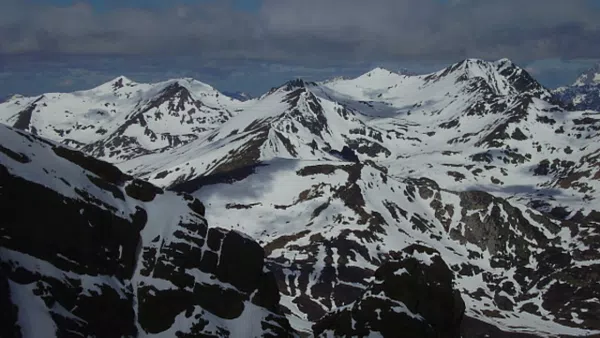
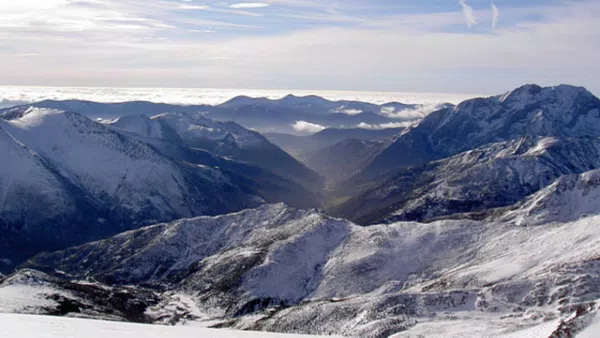
In the North, you will find various regions and valleys. The Montaña Palentina borders León to the west, Cantabria to the north, and Burgos to the east. It is a privileged area with a multitude of attractions and resources. Here stand the highest peaks of the province, such as Curavacas, Espigüete, and La Lomas. Rivers like the Carrión and the Pisuerga originate here, resting their waters in the reservoirs of Camporredondo, Compuerto, Requejada, and Ruesga. It is ideal for hiking in Palencia and a fantastic destination for a rural getaway in Castilla y León.

The richness in Oak and Beech forests, areas of excellent pastures, lichens, and mosses ensure the quantity and quality of hunting and the clean rivers provide fishing in these environments. It is a place especially sought after by nature lovers where they can book rural accommodations near nature routes such as the reservoirs, the Tejeda de Tosande, and the Ursi route. Fishing in the Carrión River offers extraordinary quality of rainbow and native trout.

Enjoy rural tourism in Palencia. This rural house in the Montaña Palentina is an ideal point to end a stage on the Camino Viejo de Santiago, also known as the Camino de la Montaña, the Forgotten Camino de Santiago, or the primitive Camino de Santiago. It is an ideal area to listen to and see La Berrea. In the northern area of Palencia, the La Robla train, also known as El Hullero, runs. Some visitors take the train in Guardo and end their journey in Cervera de Pisuerga, where they take the train back for the reverse journey an hour later. Enjoy rural tourism in Palencia, a pet-friendly rural house. This rural house is part of the Montaña Palentina Turismo Vivo Association. One of the best rural accommodations in Palencia and the Montaña Palentina. An original rural house in Palencia to enjoy with a group.
Cloister hallway with stone arches and columns in the Montaña Palentina.

Jesús Calleja Route

The Romanesque route by bicycle that we have mapped out in the north of Palencia passes through:
1. The Monastery of SANTA MARÍA LA REAL in Aguilar de Campoo. A beautiful national historical and artistic monument built between the twelfth and thirteenth centuries.
2. The church of SANTA JULIANA in CORVIO. It dates back to the thirteenth century, and very close to the village, there is a necropolis with tombs carved into the rock.
3. The church of SAN MARTÍN OBISPO in MATALBANIEGA. A temple from the late twelfth century. It has more than seventy pieces on the cornice depicting animals, musicians, erotic figures, and vegetation.
4. The church of VILLAVEGA DE AGUILAR. Built between the twelfth and thirteenth centuries. It is a characteristic rural church of the Palencian Romanesque style.
5. In CILLAMAYOR, there is the church of Santa María La Real, from the mid-twelfth century. Inside, there is a baptismal font with the signature of its carver: "Pedro de Cilla."
6. The church of San Andrés in MATABUENA. Construction began in the early thirteenth century.
7. The church of BUSTILLO DE SANTULLÁN stands out for the reddish color of its stone and its bell gable. It was restored in 2009.
8. The church of Santa Marina in VILLANUEVA DE LA TORRE. From the late twelfth century. This church has been opened by an adorable elderly woman, Carlina, since she was a teenager.
9. The church of SALINAS DE PISUERGA is not Romanesque but Gothic. It dates back to the sixteenth century.
10. The church of BARCENILLAS DE PISUERGA was built in three construction phases. It began in the Romanesque period, and the last renovation was completed in the nineteenth century.
11. The church of Santa Eulalia and the church of the Assumption of the Virgin, from the late twelfth century. Both are in BARRIO DE SANTA MARÍA.
12. The church of Santa Cecilia in VALLESPINOSO DE AGUILAR. From the late twelfth century. It is an example of the fusion between Romanesque and nature.
13. And the Monastery of Santa María La Real in AGUILAR DE CAMPOO. A beautiful National Historical and Artistic Monument built between the twelfth and thirteenth centuries.
Source:
https://es.wikiloc.com/wikiloc/view.do?id=18359213
Book now
Brown bear in its natural habitat in the Montaña Palentina, surrounded by vegetation and wildflowers.

Flora and fauna

Regarding the fauna, the emblematic animal species of the Palentina Mountain is undoubtedly the brown bear. A healthy population of Iberian wolves takes good care of the large herbivores in the area; the wild boar, deer, roe deer, and in higher areas, the scarce chamois. As for the vegetation, the most representative forest of the Palentina foothills in Santibañez de la Peña is the Pyrenean oak or rebollo, with the sessile oak being more scarce. Accompanying the rebollo are valuable fruit-bearing species for the fauna such as hawthorns, service trees, holm oaks, holly, and blueberry bushes. A beautiful natural environment.
Book now
Aerial view of the Villafría de la Peña spring surrounded by vegetation and a dirt road in the Palencia Mountain.

Villafria Spring

Ideal for dining in the countryside for groups of families and friends. A privileged natural setting, secluded, equipped with tables and benches, a spring, shade...
¡Visit it!
Blue and white train crossing a green mountainous landscape in the Palencia Mountain, with a filming vehicle nearby in the movie

Filming of Villaviciosa de al lado

In the nearby town of Tarilonte de la Peña, one of the locations for the film "Villaviciosa de al lado" was shot. A section of the narrow-gauge railway Bilbao-León passing through this village had the necessary characteristics to capture one of the most exciting scenes, the parallel chase with the train. An image among mountains, a great landscape.
Call now
Palentine Mountain. Villanueva de Arriba
Romanesque Art in Northern Palencia
Palentine Romanesque. Moarves de Ojeda
Image of the Castle of Aguilar with the Church of Santa Cecilia at its feet.

Aguilar de Campoo

First of all, it should be noted that this is a Villa whose most striking feature is its usual smell of cookies.
Additionally, its agri-food industry in general is now an important point in its economy.
On the other hand, with 7,200 inhabitants, it is one of the largest towns in Palencia.
It is located 97 kilometers from the capital. Furthermore, it is next to the Aguilar reservoir and also has significant examples of Romanesque architecture. Santa Maria La Real, on the other hand, houses the ROM Museum.
The church of Santa Cecilia, the Collegiate Church, and the Monastery of Santa Clara. Currently, Aguilar de Campoo is a special Villa. Hospitable and charming people will be perceived with all our senses. In this way, the smell of cookies is the town's welcome to the visitor. The food industry has been the basic pillar of Aguilar's economy for decades.
¡ Book now !
Night view of a reservoir surrounded by snow-capped mountains and the illuminated village of Alba de los Cardaños, with a person

Alba de los Cardaños

A small village belonging to the Velilla del Río Carrión municipality with barely 20 inhabitants. It is possibly one of the most photographed localities in the province. The village is divided into two parts, which sometimes causes confusion about whether they are separate populations. Its location near the Camporredondo reservoir makes it a beautiful place with a charming mountain backdrop. A visit to its fantastic viewpoint is essential, making it especially obligatory to take some photos. (Photo by Sergi De Celis Ibañez)
Book your weekend
Image of the center of San Pedro Neighborhood.

San Pedro Neighborhood

The small town of Barrio de San Pedro is located on the left bank of the Aguilar de Campoo reservoir. It can be accessed via the road that skirts the reservoir, passing through Quintanilla de la Berzosa and Foldada. This town is part of the Montaña Palentina region and belongs to Aguilar de Campoo. Today, it is situated 10 kilometers from the biscuit-making town. This gives it the tranquility of a small village, while also being close to a larger town that offers all services.
Book now!
Interior of an old mine in Barruelo de Santullán, with rails and a mining cart under warm lighting.

Barruelo de Santullán

Barruelo de Santullán. With a current population of 1100 inhabitants, this village was the most populated in Palencia just a few decades ago. The disappearance of mining, the main activity in the region, caused the population to decrease significantly in just twenty years. Nowadays, its population is mostly made up of retired miners, and it is increasingly trying to become an emerging tourist destination due to its proximity to the Palencia Mountain.
Book now!
Panoramic view of Brañosera, a village surrounded by mountains and vegetation in the Montaña Palentina.

Brañosera

Brañosera, whose original name was Braña osera, is above all known for being the oldest town in Spain. Belonging to the Palentina Mountain and located in the southern area of ​​the Sierra de Hijar, it is also the first City Council established in Spain. Since the year 824 it has held the so-called puebla charter, which then included the Kingdom of Asturias. It belongs to the Camino de Santiago del Norte and is included in the Besaya Route. Located 118 kilometers from Palencia, it is located within the Montaña Palentina Natural Park. It was an important mining town throughout the 20th century until the arrival of the economic crisis.
Book now
Panoramic view of Bustillo de Santullán with mountains in the background and a clear sky, highlighting its rural surroundings.

Bustillo de Santullán

Bustillo de Santullán is a small village belonging to Barruelo de Santullán. It is located on the route from Salinas to Barruelo de Santullán. Nestled in a hollow next to Sierra Corisa, it is situated between mountains and near Villanueva de la Torre. It consists of a group of ancestral homes with ashlar stone and some of them have emblazoned coats of arms. Today, it is divided into two parts by the passage of a stream.
Book now!
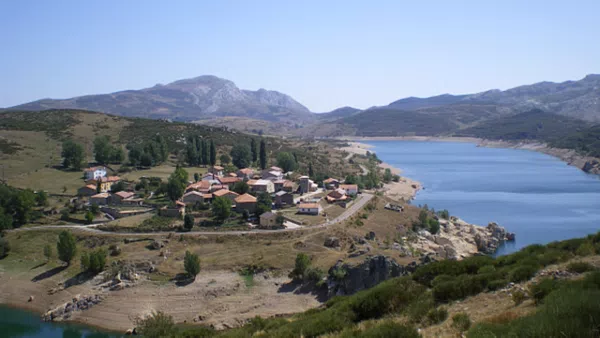
Panoramic view of Camasobres, a village surrounded by green mountains in the Montaña Palentina, with houses featuring red roofs.

Camasobres

Camasobres, first of all, is a small village in the Palencia mountain range. Close to the ascent to Piedrasluengas, it belongs to the Pernía region. Regarding the village, it is worth mentioning that it houses its small parish dedicated to San Pantaleón. This church is also of Romanesque origin and retains its bell gable. It has two emblazoned houses, which have now been converted into hospitality establishments. Finally, it should be noted that its natural surroundings invite you to take a hiking route and visit the Cueva de los Burros, a place that was used as a refuge for the shepherds of the region. A place of great natural beauty.
Book now!
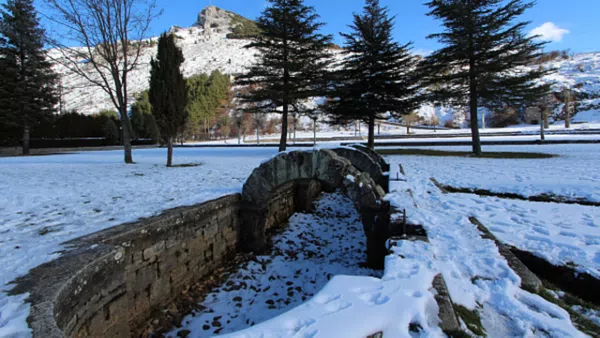
Snowy road in Camporredondo de Alba, surrounded by mountains and rural houses under a clear sky.

Camporredondo de Alba

At the foot of the reservoir of the same name, inaugurated by King Alfonso XII in 1930. This locality belongs to the Municipality of Velilla del Río Carrión. It is located in the heart of the Route of the Reservoirs next to the Palentina Mountain. At an altitude of 1250 meters above sea level, it belongs to the Judicial District of Cervera de Pisuerga and has a population of 90 inhabitants. Its main activities are livestock farming and emerging tourism. For dining in Camporredondo, El Abuelo and Tía Goya, both of excellent quality, are recommended. In the Becerro de las Behetrías (14th century), when discussing the Merindad de Saldaña and its 194 places, Camporredondo is mentioned as a royal domain. There was a palace belonging to the Duke of Frías, lord of the place.
Book now!
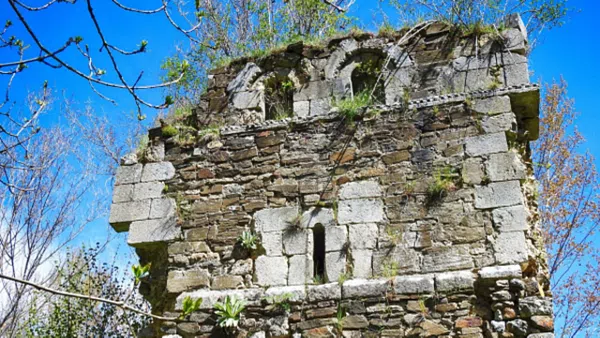
Monastery of San Román de Entrepeñas, Tower of San Román de Entrepeñas,
01

Monastery of San Román de Entrepeñas

The Monastery of San Román de Entrepeñas is located in the Comarca of the Montaña Palentina, in the north of the province of Palencia. The ruins are found along a small river venturing into a forest less than two kilometers north of the center of Santibañez de la Peña.
The Monastery or Tower of San Román de Entrepeñas is very old, with the first written mention of its existence dating back to the year 940, when it was restored and expanded by Count Diego Muñoz de Saldaña. It was a Benedictine monastery of great importance and was also the cradle of the Reconquista in the Comarca.
Sold to a private individual during the disentailment of 1836, its state of conservation has only worsened. Today, only the ruins of a tower remain, ruins that are listed on the red list of endangered heritage.
Cueva de Guantes in Villanueva de Arriba, rural houses in Palencia that allow pets, rural houses in Palencia that allow animals, rural house in Palencia that allows animals, rural houses in Montaña Palentina for 10 people, rural houses in the mountains,
02

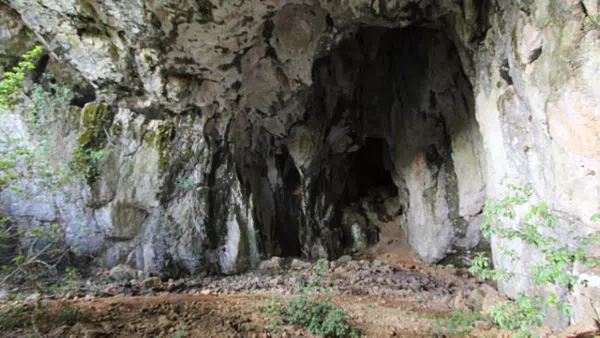
Cueva de Guantes in Villanueva de Arriba

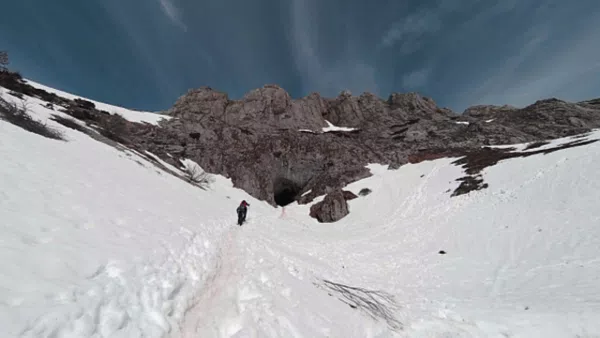
Summer is dry in our village, and therefore it's the season to visit the cave, as months before it was filled with water due to the winter. To pass through the cave from one entrance to the other, we must wear old clothes (that can get dirty), hiking boots, a sweatshirt, and a good flashlight to light the way. La Cuevona is 1 km from the house.
Christ Sierra
03

Ascent to Cristo Sierra

For enthusiasts with off-road vehicles, quads, or bicycles, a beautiful route to take is the ascent to the Cristo Sierra refuge. We take the vehicle and follow the road to the Sanctuary of the Virgen del Brezo, in Villafría. A few meters before the Sanctuary, a sign directs us towards the refuge. It is 12 km from the rural house.
La Tejeda de Tosande, rural house in the Palencia mountains with 5 rooms, rural house in the Palencia mountains with five rooms, rural houses in the Palencia mountains with five rooms, rural houses in the Palencia mountains with 5 rooms,
04

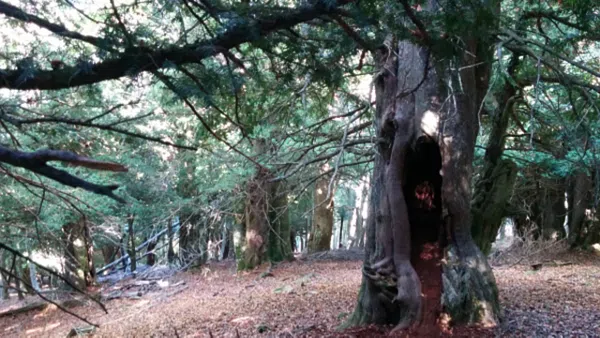
The Tejeda de Tosande

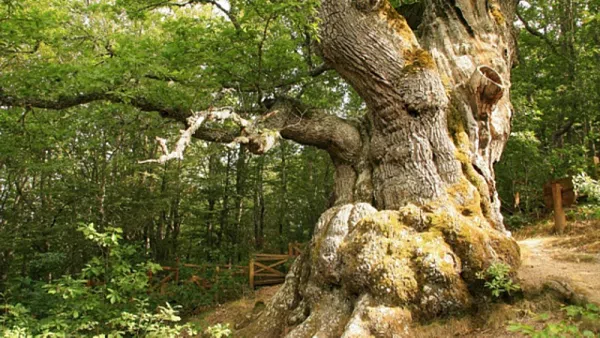
Can you imagine visiting a forest where the trees are over a thousand years old? No, it's not a mistake. A thousand years. When these specimens first sprouted, none of the Romanesque churches in Palencia existed, nor the walls of Avila, nor the Mosque of Córdoba, nor the Alhambra. The visit to the Tejeda de Tosande starts from a simple 10-kilometer route from a parking lot next to the road, in the protected environment of the Montaña Palentina Natural Park, on the northern side of Peña Oracada. The first part of the route is marked by a gentle slope towards the valley, which then passes through a lush beech forest, a common passage for the brown bear, where some oaks, holly trees, and the occasional hazel tree appear. Next, ascending wooden walkways that protect the ground from human presence, you can observe how the trunks of the Yews twist impossibly, a sight hard to forget that seems straight out of an ancient legend. Yews, scarce in the Iberian Peninsula, are a long-lived and slow-growing species, and some cultures have attributed magical properties to them throughout history, or perhaps it was due to their toxicity. It is also possible that this is the reason why the doors of many churches and temples are made from their wood. Their ecosystem is fragile, and extreme caution must be taken not to alter the environment. Being in the presence of these majestic trees is a privilege that should make us reflect on our passage through the planet, a mere blink compared to these venerable beings.

Millennial Yews of 5 or 6 meters in circumference await us at the end of this path that starts from the parking lot next to the road that goes from Cervera to Guardo, at km 2 of the C-624. Just 25 km from the rural house.
Villalbeto Reservoir
05

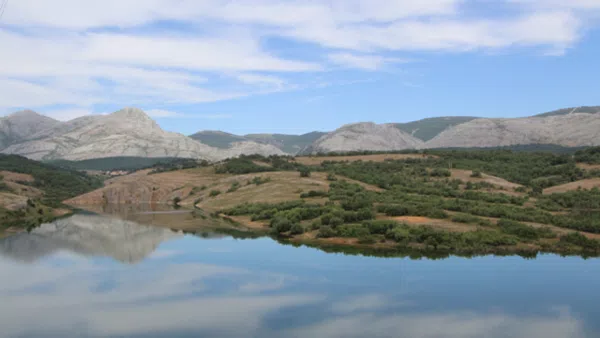
Villafría Stream Reservoir

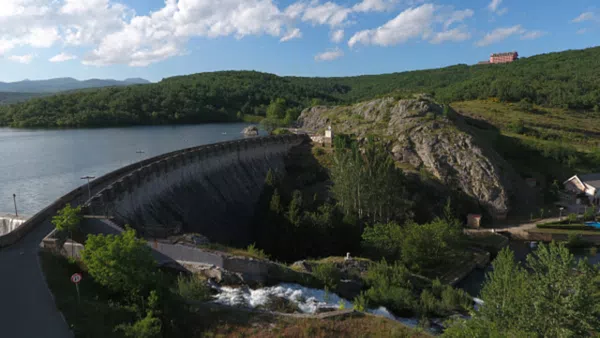
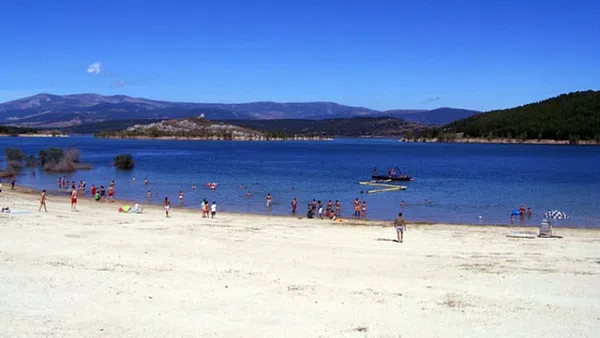
For summer visitors to our rural house, we inform you that there are nearby swimming spots, such as the Villalbeto Reservoir. We depart from the rural house, heading towards Cervera, and take a turn at an intersection shortly after the village of Tarilonte (approximately 10 km from Villanueva de Arriba).
Compuerto Reservoir, rural house with five double rooms in Palencia, rural house with 5 double rooms in Palencia, rural house full rental for 10 people in Palencia, rural house full rental for ten people in Palencia, rural houses full rental for 10.
06

Compuerto Reservoir

Leaving the town of Velilla del Río Carrión, we head towards Otero de Guardo where we can find the dam wall of the Compuerto reservoir. It is 12 km from the rural house.
Camporredondo Reservoir, full rental rural houses for 10 people in Palencia, full rental rural houses for ten people in Palencia,
07

Camporredondo Reservoir

Located in the town of Camporredondo de Alba, it is situated at the tail end of the Compuerto Reservoir. It began offering services in 1930 and was inaugurated by King Alfonso XIII. It is 20 km from the rural house.
Ruesga Reservoir
08

Cervera de Pisuerga Reservoir

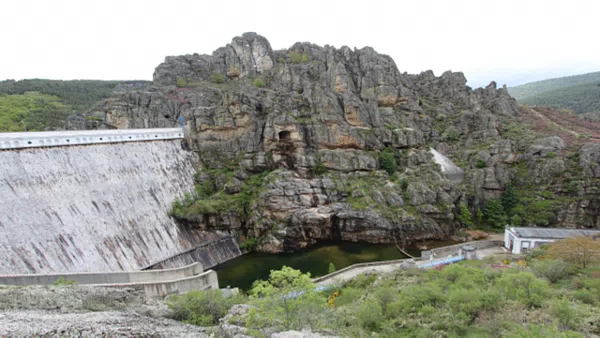
Inaugurated in 1923, it is the smallest reservoir in Spain dedicated to irrigation and drinking water. There is another smaller one, Pontón Alto, which only supplies tap water to the city of Segovia. Ruesga is 35 km from the rural house.
Requejada Reservoir, rural houses in the Palencia mountains available in July, rural houses in the Palencia mountains available in August, rural houses in the Palencia mountains available in September, rural houses in the Palencia mountains available in O
09

Requejada Reservoir

Completed in 1940, it supplies water to the Pisuerga system. It belongs to Cervera de Pisuerga and is located in the village of Arbejal. It is 42 km from the rural house.
Aguilar Reservoir, rural houses in the Palencia mountains available in November, rural houses in the Palencia mountains available in December, rural houses in the Palencia mountains available in January, rural houses in the Palencia mountains available in
10

Aguilar Reservoir

It is located in Aguilar de Campoo and came into service in 1963. It is the largest reservoir in the province of Palencia and belongs to the Pisuerga system. It is the last one on the so-called Route of the Reservoirs, which includes the reservoirs of Compuerto, Camporredondo, Ruesga, Requejada, and Aguilar de Campoo. 55 km from the rural house.
Fuentes Carrionas, rural houses in the Palencia mountains available in March, rural houses in the Palencia mountains available in April, rural houses in the Palencia mountains available in May, rural houses in the Palencia mountains available in June.
11

Fuentes Carrionas

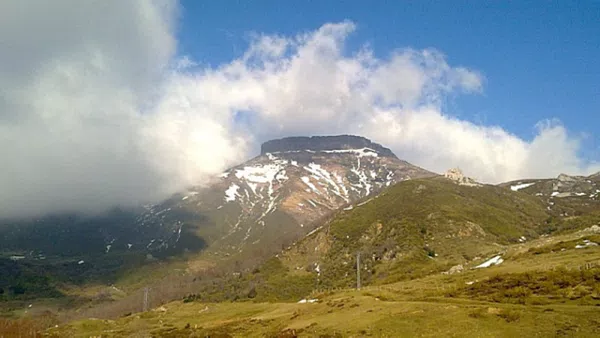
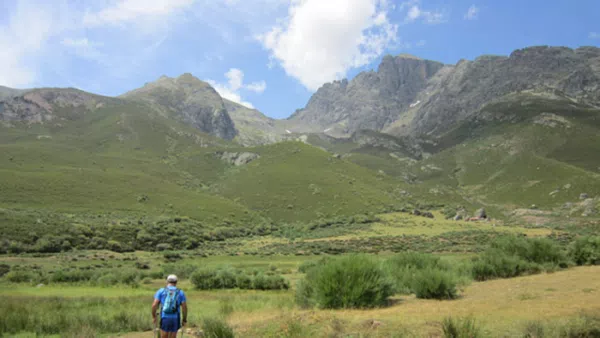
You will encounter the highest peaks of the Palentina Mountain, Curavacas 2525 m, Espigüete 2450 m, and Las Lomas 2451 m. It spans 11 municipalities: Velilla del Río Carrión, Aguilar de Campoo, San Cebrián de Mudá, Cervera de Pisuerga, Triollo, Polentinos, Brañosera, La Pernía, Castrejón de la Peña, and Dehesa de Montejo. Just 4 km from the rural house.
Sierra del Brezo, rural houses in the Palencia mountains available in July, rural houses in the Palencia mountains available in August, rural houses in the Palencia mountains available in September,
12

The Sierra del Brezo

It starts in Cantoral de la Peña and ends in Guardo. Composed of limestone, it has few trees, with Bearberry and Heather predominating. Almost all the villages in the area are over 1000 meters in altitude. Pisón de Castrejon and the Sanctuary of the Virgen del Brezo in Villafria de la Peña stand out, especially for the pilgrimage on September 21st.
Valle de Pineda, Pozo Curavacas, Alto Carrión, Montaña Palentina
13

Route Pineda Valley

Distance of 20 kilometers round trip with an elevation gain of 500 meters. Duration of about 12 hours. It can be traveled throughout the year. In winter, adverse weather conditions require greater preparation and caution. Beautiful mountain area.
The Copper Fountain, Palentine Mountain
14

Route The Copper Spring

Approximate distance of 10 kilometers round trip. There is an elevation gain of 400 meters with a duration of 5 hours. The best time to undertake this hike is throughout the year; however, in winter and early spring, snow and water may make access difficult.
Roblon de Estalaya, Palencia mountain range, mountaineering in Palencia,
15

Route of El Roblón de Estalaya

Approximate distance of the route is 4 kilometers with an elevation gain of 100 meters. The duration of the route is 90 minutes, it is easy and can be done all year round.
Valdecebollas and El Cueto, Valdecebollas Route, Palencia mountain, hiking
16

Route of Valdecebollas

Approximate distance from Brañosera is 12 kilometers, with an elevation gain of 300 meters from El Golobar. It takes 5 hours and is an easy route. It can be done all year round with the usual winter limitations. It is advisable to carry water for the journey.
Fraile Peak, Fuente los Mures Route,
17

Route Fuente Los Mures

Start in Villanueva de Arriba, heading northwest and continuing on the trail that crosses the mountain towards the north. We pass through an oak forest and a holm oak grove until reaching a wide pasture. We continue to the right, ascending to the east, between two mountain ranges. At the highest point of the trail, we arrive at the spring.
Castro de la Loma Palencia, history of Spain, Iron Age
18

Castro de La Loma

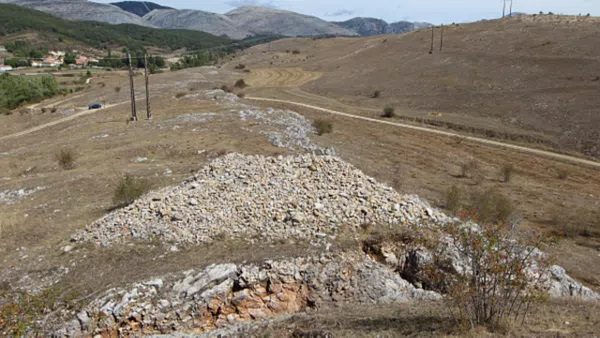
The Castro of La Loma is located in Santibañez de la Peña and is the greatest exponent in terms of knowledge about the Cantabrian wars. So far, it is the most important castro discovered in the Alto Carrión region, and it is known to have been occupied during the 2nd Iron Age by a community of some significance. The large number of artifacts found here, in addition to the archaeological value of the entire site, make this place a unique enclave.
Pinar de Velilla
19

The Pinar de Velilla

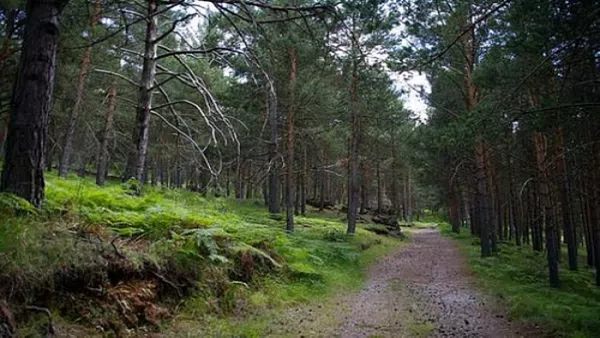
It is the only native pine forest preserved in this extensive region, and it hosts a wide variety of trees, flora, and fauna, which is not the case in reforested pine forests that lack vegetation. It is located between Velilla del Río Carrión and the Compuerto reservoir.

This is a route suitable for anyone, with no difficulty, lasting 4 hours and covering a distance of 6 km. You need to enter the Sierra del Brezo colony, and on the right, you will find a path that leads you into the pine forest.
Sanctuary of the Virgin of Brezo
20

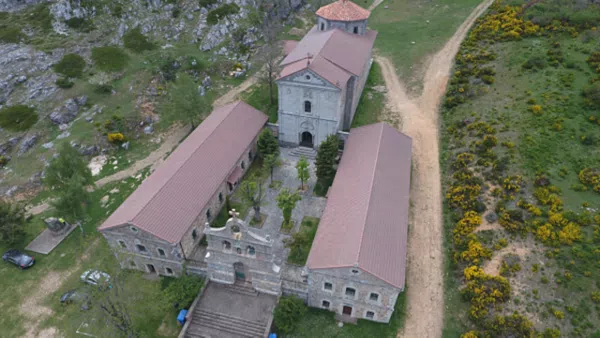
Sanctuary of the Virgin of Brezo

The march begins from the west side of the sanctuary, passing by the "Fuente de la Virgen" (Virgin's Fountain), along an inclined path that joins a good track leading us to the Cristo Sierra hermitage-refuge. There, we will find a crossroads, with a path going downwards, which is the one that leads to Valcorbero. In this section, we encounter large plantations of fir trees and broom that cover the high slopes of the foothills of the Sierra de Canales, El Reguilón, and Cueto Palomo. The route continues north towards Camporredondo.
Resoba-Puente Pucherín-Santibáñez de Resoba, hiking in Spain
21

Route from Resoba-Puente Pucherín-Santibáñez de Resoba

The route begins in the village of Resoba, located in a deep valley from where we will ascend to its tenadas to reach the Alto de las Doncellas, where we will contemplate the wide Pineda Valley and the foothills of Curavacas. We will descend to Puente Pucherín and then reach the Alto del Lugar and from there to Santibáñez de Resoba. The route lasts 6-7 hours and is suitable for everyone.
Cardaño de Arriba-Pozo las Lomas-Alto Tres Provincias-Peña Prieta
22

Route Cardaño de Arriba-Pozo las Lomas-Alto Tres Provincias-Peña Prieta

A good route is the one known as Peña Prieta - Pico Tres Provincias - Alto de Fuentes Carrionas - Lagos Pozo las Lomas - Camino de las Lomas - Cardaño de Arriba. It is 12 km that allow us to get to know a special environment. Starting in Cardaño de Arriba, it is a route for which one must be prepared, as it is quite long. However, it is a great route with a lot of charm for mountain lovers.
Otero de Guardo Route - Valverde de la Sierra, hiking in Spain
23

Route Otero de Guardo - Valverde de la Sierra

The tour begins in Otero de Guardo, heading north, along an inclined path that runs parallel to the road and reservoir for a long time. Then it turns left and reaches the lower part of Cerro de la Tabla, which forms a natural pass between rocks that serves as our gateway to the Abiaos valley. Just after passing Cerro, the gigantic mass of the southern slope of Espigüete peak appears before us. On the opposite side of the Abianos stream and above, there is a path that belongs to Camporredondo. From here, already in a permanent descent, we head towards our destination, Valverde de la Sierra.
Peña Mayor Route, hiking in Spain, Palencia mountain, rural house
24

Peña Mayor Route

In Velilla del Río Carrión, we must take the P-210 road to the village of Compuerto. From there, a path leads us into the pine forest. We must continue ascending until we reach a small scree. The path runs parallel to the stream for a stretch until it ends, transforming into a rocky trail that merges at times with the dry riverbed. The heart of the pine forest remains to our right, although some notable trees flank the path on both sides. We exit the forest, and the steep rocky outcrop of Peña Mayor becomes visible before us. We are now approaching the Collado. The trail almost disappears. The pine forest is now replaced by shrub vegetation. Once at the Collado, those who wish can easily ascend to the summit of Peña Mayor.
Valdetriollo-Puente Agudin Route, hiking in Spain, rural house, accommodation in the Palencia mountains
25

Valdetriollo-Puente Agudín Route

We depart from the fountain in the plaza of Triollo, heading NW along the Párdigo path. After just 300 meters, a track branches off to the right towards the reservoir. We continue to the left. We proceed straight ahead, gradually ascending through this valley of rich pastures, always keeping the Valdetriollo stream to our left. Further on, to the left, across the river, there is a shelter with a sheepfold. At the 3100-meter mark, we will encounter several junctions: one to the right and two to the left. We continue straight ahead to start on the grassier track that leads us to the old blende mining site. We continue straight ahead, descending 2 km NW along a path that frequently disappears into the thickets, requiring us to find the most comfortable route through the small valley until we reach the track of the Lamas stream. From here, on a good surface, we head towards Pino Llano until we reach the Agudín Bridge.
Pico Espigüete, hiking in Spain, rural house, mountain accommodation, Palencia, Palentine mountain
26

Pico Espigüete Route

Part of the small refuge located under the North face, which can be reached in about three-quarters of an hour by following the path on the right bank of the Mazobres Stream from the road that connects the two Cardaños. We leave the refuge heading straight, climbing the grassy slope that leads to the wall. Our route is the so-called North Corridor, located on the western edge of the buttress that descends from the eastern summit. It is a logical route; it runs along a kind of ledge under the mentioned spur. There are no notable obstacles. Above, under the overhangs of the East summit, a steep slope is traversed in search of the pass (2,390 m), culminating the ascent to Espigüete (2,450 m) along the ridge.
Pico Murcia, Pico Murcia Route, hiking in the mountains, walking in the Palentina mountain range, Palencia, rural house
27

Pico Murcia Route

The route starts from Cardaño de Arriba. From the parking lot, we follow a dirt track for just under 2 kilometers without any loss, right after the sign that marks the route towards Peña Prieta. We will reach a bridge that veers to the right, towards Peña Prieta, the highest peak of Fuentes Carrionas, but we will continue straight ahead, entering a lush valley. Upon reaching this valley, the Pico Murcia will gradually come into view, right at the end of the valley. We begin to climb the steep slopes, which become very easy as you simply have to follow a perfect zigzag that takes you to the top.
Curavacas Peak, hiking in Spain, walking through the mountains, rural house
28

Curavacas Peak Route

Starting from the small village of Vidrieros, we will ascend the valley through which the Cabriles Stream flows. A long scree slope and the subsequent passage through Callejo Grande until reaching the summit will make this beautiful ascent a very demanding day, as a significant elevation gain is accumulated over a short distance. It is not a marked route but easy to follow, with the most challenging part being the final stretch from the scree slope, where a trail of cairns will help us find the best path. Although it is not an especially difficult peak without snow, it is advisable to be in good physical shape and experienced in mountain hiking. Vidrieros – Cabriles Stream – Majada Cabriles – Scree Slope – Callejo Grande – Curavacas Summit.
Valdenievas - Valle Cardaños, hiking in Spain, walking through the mountains, rural house
29

Route Valdenievas - Cardaños Valley

The tour begins in Vidrieros, after crossing the Cabriles stream which we leave on the right. The Environment Department has built a shelter for mountaineers in a beautiful location, which can be accessed by following the course of the Postil de Soña stream upstream. We reach the Collado del Hormigal, a meeting point for numerous cattle in the summer. We inevitably descend to cross the Hormigal stream and start ascending towards the pass formed by the large V-shape created by the Canchas de Ojeda and the Pico del Vallejo, and we look out over the Cardaños valley. From here, the descent to Cardaño de Arriba is long and tiring, and we must choose our route carefully to avoid the abundant heather and loose scree. As we descend, we cross the Vallejo stream, which originates at an incredible height and has a copious flow. Nearing Cardaño de Arriba, the white spot of a mountaineers' shelter appears in the foreground, and in the narrowest part of the valley, the wild village comes into view.
Source of La Reana Velilla del Río Carrión,
30

Source of La Reana

The Fuente de La Reana in Velilla del Río Carrión, with its three stone arches, produces a curious phenomenon as at its base there is a spring that flows intermittently without any climatic or other criteria determining the absence or abundance of water. Legend has it that if the first time you visit the fountain, water flows, it is a sign of good luck.
The Roblon of Monasterio
31

The Roblón of The Monastery

The Roblón de El Monasterio route is located 6 km from Velilla del Río Carrión. The starting point of the route is at the hermitage of Areños.
We need to enter the Valdehaya Valley. It is advisable to take the route by mountain taxi due to the large number of forest tracks in the valley. The round trip distance is approximately 12 km and it is an easy route if we do it on foot.
It is advisable to wear comfortable clothing and footwear, preferably in bright colors as a precaution during hunting seasons. The route goes through the following landmarks: Ermita Nuestra Señora de Areños - Puente la Maderada - Valle Valdehaya - Grupo el Abuelo - Lavaderos de Besande y Curva de Senda al Roblón - Roblón de El Monasterio - Monasterio.
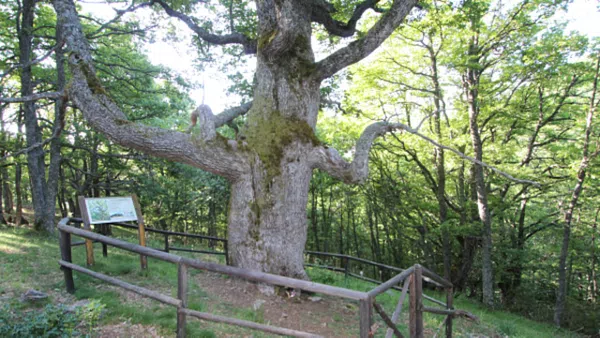
The Roblón de El Monasterio is located within the municipal boundaries of Velilla del Río Carrión. Its common name is sessile oak and its scientific name is Quercus petraea. It has a trunk circumference of 5.04 m and a total height of 17 m, making it a centenary tree.
The Roblón is situated at an altitude of 1446 m and is notable for its large dimensions.
As a curiosity, it is enclosed in a fenced area and there is a nativity scene at its base.
Just 200 m away, you can find the very scarce remains of stones from a Benedictine monastery, for which no data is available.
Throughout the route, we will find juniper groves, oak groves, beech forests, and holm oak groves. The path is perfectly signposted and from the monastery area, you can see Velilla del Río Carrión and several nearby villages.
The estimated walking time for the route is 3 hours and 30 minutes, with a round trip distance of 12 km. The route by 4x4 vehicle takes approximately 1 hour and 30 minutes.
Upon our return to Velilla, we can find a large number of junipers in the Peña Lampa juniper grove.
Mazobre Waterfall Trail, Mazobre Waterfall Route,
32

Mazobre Waterfall Trail

To do this route, we will leave the car in the parking lot located on the road that connects the towns of Cardaño de Abajo with Cardaño de Arriba, in the Pino Llano area. The route is 7 kilometers (round trip) of medium difficulty and follows a path that runs parallel to the Mazobre stream, which will take us to the viewpoint from which we will see the waters of the stream cascading down, forming the well-known and frequently visited waterfall.
Antiques and Flea Market Fair. Aguilar de Campoo
33

Antique fair in Aguilar de Campoo. September.

Antiques and Flea Market Fair. Aguilar de Campoo. At the Municipal Sports Center of Aguilar de Campoo. Especially noteworthy is the large display of antique items for exhibition and sale. Generally, these include rustic furniture, porcelain, glass, paintings, bronzes, books, and ceramics.
San Salvador de Cantamuda, Path of the Count's Revenge
34

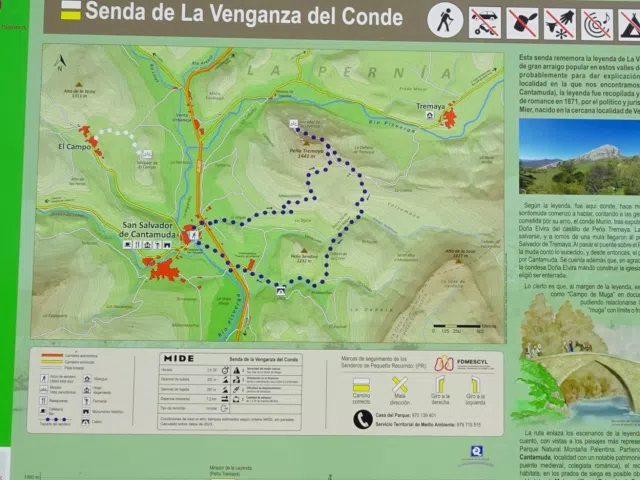
Path of the Count's Revenge

This path recalls the legend of the Count's Revenge, a story deeply rooted in these valleys of La Pernía. Likely created to explain the name of the locality where we are (San Salvador de Cantamuda), the legend was compiled and published in the form of a ballad in 1871 by the politician and jurist Don Matías Barrio y Mier, who was born in the nearby town of Verdeña. According to the legend, it was here many years ago that a deaf-mute maid began to speak, telling the people of the area about the injustice committed by her master, Count Munio, after he expelled her and Countess Doña Elvira from the Castle of Peña Tremaya. The two women managed to save themselves and, riding a donkey, arrived at the village then called San Salvador de Tremaya. Upon crossing the bridge over the Pisuerga River, she miraculously recounted what had happened, and since then, the village changed its surname to Cantamuda. It is also said that in gratitude for their salvation, Countess Doña Elvira ordered the construction of the church of San Salvador, where she chose to be buried.
Collegiate Church of San Salvador de Cantamuda Romanesque
35

Collegiate Church of San Salvador de Cantamuda

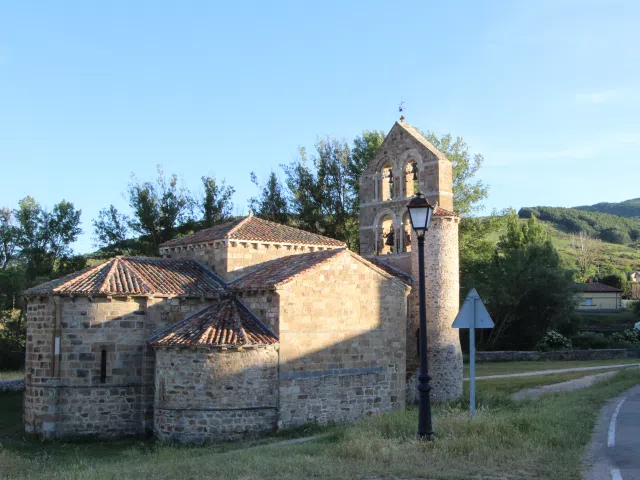
The Church of San Salvador de Cantamuda is one of the most outstanding examples of Romanesque architecture in the northern province of Palencia. The temple stands out for its architectural unity, with hardly any reforms or additions that have excessively modified its original structure. The slender bell gable, which rises on the west side to more than 18 meters in height, is undoubtedly the most characteristic element. Composed of three sections and four openings, it identifies the church and makes it stand out in the surroundings. Due to its elegance, it is considered one of the most beautiful bell gables of Spanish Romanesque architecture. Its origin may date back to the early 11th century, when its foundation is attributed to Countess Doña Elvira Favilaz, wife of Count Munio Gómez. However, the building that we can admire today is mostly the work of the late 12th century, a time when it was part of the then Monastery of San Salvador de Campo de Muga. The subsequent historical importance of the church is well evidenced by the fact that it acquired the rank of collegiate church in 1478.

Book now

welcome
Book on our website
OFFICIAL WEBSITE! BEST PRICE AND CONDITIONS.  
Direct booking with Casa Rural La Majada Palentina.  
Escape to the Palencia Mountains this Easter!!
¡¡ Calendar !!